

Imagine stepping into a weather labyrinth, where the path ahead twists and turns with every passing moment. Welcome to the world of Scottish Highlands weather, a captivating blend of unpredictability and ever-changing landscapes.
As you navigate through this guide, you’ll uncover the secrets behind Scotland’s unique climate, discover the factors that influence its whimsical weather patterns, and learn how to prepare yourself for whatever nature may throw your way.
Whether you’re an outdoor enthusiast seeking adventure or a curious traveler eager to unravel the mysteries of this enchanting region, understanding Scottish Highlands weather and climate is your key to unlocking a truly unforgettable experience.
TLDR
- The Scottish Highlands have a temperate maritime climate that is cooler and milder compared to the lowlands.
- The weather in the Scottish Highlands is unpredictable and quickly changing, with rapid shifts from sunshine to rain, sudden temperature changes, and varying wind conditions.
- Factors influencing the weather in the Scottish Highlands include the Gulf Stream, mountainous terrain, coastal location, varied topography, and mountain ranges creating a rain shadow effect.
- It is important to be prepared for the unpredictable weather in the Scottish Highlands by dressing in layers, packing appropriate clothing and equipment, staying updated with local weather forecasts, and being flexible with plans and having alternative options.
Scottish Highlands Climate Overview
The Scottish Highlands experience a temperate maritime climate with rarely extreme weather. This means that the climate in this region is cooler and milder compared to other areas, such as the lowlands. However, it’s important to note that the weather in the Scottish Highlands can be quite unpredictable and quickly changing. Therefore, it’s crucial to be prepared with essential items such as a waterproof raincoat, umbrella, sunglasses, water-resistant boots, and layers of clothing.
Several factors affect the climate in the Scottish Highlands. Firstly, its proximity to the Atlantic Ocean plays a significant role. The warm waters of the Gulf Stream influence the region, keeping it relatively mild throughout the year. Additionally, the mountainous terrain of the Highlands contributes to the local climate patterns, causing variations in temperature and precipitation across different areas.
Another important aspect to consider is the impact of climate change on the Scottish Highlands. Like many other regions around the world, the Scottish Highlands have been experiencing the effects of global warming. This includes rising temperatures, changing rainfall patterns, and an increased frequency of extreme weather events. These changes can have significant implications for the region’s ecosystems, including its unique wildlife and plant species.
It is essential to understand the climate of the Scottish Highlands to fully appreciate and enjoy your time in this beautiful region. By being prepared for the unpredictable weather and recognizing the factors affecting the climate, you can make the most of your experience and explore the stunning landscapes that the Scottish Highlands have to offer.
Factors Influencing Highland Weather
Factors that influence the weather in the Scottish Highlands include the Gulf Stream, mountainous terrain, latitude, coastal location, and varied topography. The influence of mountain ranges in the Highlands plays a significant role in shaping the local weather patterns. As moist air from the Atlantic Ocean is forced to rise over the mountains, it cools and condenses, leading to increased rainfall on the windward side and creating a rain shadow effect on the leeward side. This results in marked variations in precipitation and temperature across different parts of the region.
Additionally, the impact of the coastal location can’t be overlooked. The Scottish Highlands are bordered by the Atlantic Ocean, which has a profound effect on the weather. The proximity to the ocean means that the region experiences moist and changeable conditions. The maritime influence moderates the temperature, preventing extreme heat or cold, and also contributes to the frequent occurrence of fog and mist.
Furthermore, the varied topography of the Scottish Highlands also plays a role in shaping the weather. The combination of rugged mountains, deep valleys, and numerous lochs creates microclimates within the region. These microclimates can result in localized variations in temperature, wind patterns, and rainfall.
Understanding Temperature Extremes

After understanding the factors that influence weather in the Scottish Highlands, it’s important to examine the occurrence of temperature extremes in the region.
Scotland rarely experiences extreme temperatures, as its climate tends to be cooler rather than bitterly cold and mild rather than baking hot. Unlike other regions, Scotland isn’t affected by hurricane season, which contributes to the absence of temperature extremes.
However, due to the unpredictable weather, the temperature can change quickly, leading to temperature fluctuations that can disrupt the weather patterns. Despite this, extreme heat or cold aren’t common occurrences in Scotland.
The overall climate in the Scottish Highlands is characterized by a moderate range of temperatures, providing a comfortable and balanced environment. So, while you may not experience extreme temperature swings in the Scottish Highlands, it’s important to be prepared for rapid weather disruptions caused by the ever-changing climate.
Unpredictable Weather Patterns
You should be prepared for changing weather conditions in the Scottish Highlands as they’re known for their unpredictable weather patterns. Extreme temperature fluctuations can occur, so it’s important to dress in layers and pack accordingly.
Additionally, unforeseen weather disruptions such as sudden rain showers or dense fog may occur, so it’s advisable to stay updated with local weather forecasts and be flexible with your plans.
Changing Weather Conditions
The Scottish Highlands experience highly unpredictable weather patterns, characterized by rapid shifts from sunshine to rain, sudden temperature changes, and varying wind conditions. Planning outdoor activities in this region can be challenging due to the changing weather conditions. To ensure a successful trip, it’s important to be prepared for different scenarios.
Here are a few key points to keep in mind:
- Be ready for sudden weather changes: Pack appropriate clothing layers that can be easily added or removed as the temperature fluctuates.
- Check the weather forecast frequently: Stay updated on the latest weather conditions to help plan your activities accordingly.
- Have a backup plan: Be flexible and have alternative options in case the weather conditions become unfavorable for your original plans.
Extreme Temperature Fluctuations
As the Scottish Highlands are known for their changing weather conditions, one notable aspect is the extreme temperature fluctuations experienced in this region. Weather patterns can shift rapidly from mild to cold or from rainy to sunny, catching you off guard if you’re not prepared. Understanding temperature variations is crucial to ensure your comfort and safety.
Dressing appropriately for temperature fluctuations is key. Layering clothing is essential to adapt to the unpredictable weather. By wearing multiple layers, you can easily add or remove clothing as needed. Always carry warm and waterproof gear, even on seemingly mild days, as the weather can change unexpectedly.
Being prepared for extreme temperature fluctuations will allow you to fully enjoy your time in the Scottish Highlands, no matter what the weather brings.
Unforeseen Weather Disruptions
Unpredictable weather patterns in the Scottish Highlands can lead to unforeseen disruptions that may impact outdoor activities or travel plans. It’s important to be prepared for emergencies and know how to deal with travel disruptions caused by sudden changes in weather.
To ensure you’re ready for any situation, consider the following:
- Stay informed: Always check weather forecasts before heading out and stay updated throughout your trip.
- Be flexible: Keep your plans flexible and be prepared to change or adjust them based on the weather conditions.
- Pack accordingly: Bring appropriate clothing and equipment for all types of weather, including rain gear, warm layers, and sturdy footwear.
The Role of the Gulf Stream
The warm ocean current known as the Gulf Stream significantly impacts Scotland’s climate, keeping its weather mild and temperate. This powerful current, originating in the Gulf of Mexico, carries warm waters and air to Scotland’s shores. As a result, Scotland experiences higher average temperatures and milder winters compared to other regions at similar latitudes. The Gulf Stream also affects Scotland’s precipitation patterns, bringing moisture-laden air to the region, resulting in ample rainfall.
The influence of the Gulf Stream extends beyond Scotland’s climate. It plays a crucial role in supporting a diverse range of marine life. The warm waters brought by the Gulf Stream provide a favorable habitat for various species, including fish, dolphins, and whales. It also contributes to a rich and productive fishing industry, benefiting both the economy and the environment.
Changes in ocean currents, including variations in the strength and path of the Gulf Stream, can have significant implications for Scotland’s climate and marine ecosystems. Scientists closely monitor these changes to better understand their impact and potential consequences. Understanding the role of the Gulf Stream is essential for predicting and managing Scotland’s weather patterns, protecting its marine life, and ensuring the sustainability of its ecosystems.
Rainfall and Humidity in the Highlands

Scotland’s climate, influenced by the Gulf Stream, not only brings mild temperatures and ample rainfall, but it also results in high levels of precipitation and humidity in the Scottish Highlands. The rainfall patterns in the Highlands can be unpredictable, with heavy downpours occurring at times. The impact of this significant rainfall on agriculture in the region is both positive and negative.
- Rainfall patterns: The Scottish Highlands experience high levels of rainfall throughout the year. The western Highlands tend to be wetter than the eastern Highlands due to prevailing westerly winds. This means that areas such as Glencoe and Fort William receive more rainfall compared to areas like Inverness and Aberdeen.
- Impact on agriculture: The abundant rainfall in the Scottish Highlands has both benefits and challenges for agriculture. On one hand, it contributes to the lush, green landscapes and vibrant flora that make the Highlands so picturesque. The ample moisture also supports the growth of various crops and grazing for livestock. On the other hand, heavy rainfall can lead to waterlogged soil and increased risk of flooding, which can negatively affect crop yields and livestock health.
The high humidity in the Highlands also plays a role in the weather conditions. It can result in misty and foggy conditions, especially in the valleys and near bodies of water. These atmospheric conditions, while adding to the region’s charm, can also impact visibility and travel. Overall, the combination of rainfall and humidity shapes the unique climate of the Scottish Highlands, impacting both the natural environment and agricultural practices.
Seasonal Changes in Weather
Seasonal changes in weather in the Scottish Highlands bring distinct variations in temperature and conditions throughout the year. It is important to understand these changing weather patterns and adapt to seasonal changes to ensure your comfort and safety in this beautiful region.
Here is a table summarizing the seasonal changes in weather in the Scottish Highlands:
| Season | Temperature | Conditions |
|---|---|---|
| Spring | Warmer | Longer daylight hours |
| Summer | Driest, warmest | – |
| Autumn | Cooler | Colorful foliage |
| Winter | Colder | Snow, especially in the mountains |
During spring, temperatures start to rise, and you can expect longer daylight hours. This is a great time to explore the Highlands and enjoy the blooming nature. Summer brings the warmest and driest weather, perfect for outdoor activities like hiking and camping.
As autumn approaches, temperatures begin to cool down, and the landscape transforms into a stunning display of colorful foliage. Winter can be quite cold, with the possibility of snowfall, especially in the mountainous areas. It is essential to dress in layers to adapt to the changing weather throughout the year and ensure your comfort.
Average Temperatures in the Scottish Highlands
The Scottish Highlands boast a climate characterized by its cool, damp, and often cloudy nature, though day-to-day weather can be quite unpredictable. This region experiences relatively short winter days but compensates with remarkably long summer evenings. January and February stand as the chilliest months, with average temperatures hovering around 37°F (3°C).
In contrast, the warmest stretch falls in July and August, with summer averages reaching 55°F (13°C). The Highlands can swing to extremes, with a recorded winter low plunging to a bone-chilling -16°F (-27°C) and a scorching summer high hitting 87°F (31°C).
Altitude plays a significant role in temperature variations, resulting in lower temperatures, increased precipitation, and even snowfall at higher elevations. Rain is a constant companion in the Highlands, with sporadic showers possible year-round, although autumn and winter tend to be the wettest seasons. December brings the gloomiest and darkest days, while May and June are radiant with sunshine. The possibility of snow lingers from November through April.
Best Time to Visit the Scottish Highlands

The best time to visit the Scottish Highlands is during the peak tourist season when the long summer days allow for more outdoor activities and exploration. The further north you go, the longer the days become, providing ample time to enjoy the stunning landscapes and engage in water sports or winter activities.
However, if you prefer a quieter and less crowded experience, the off-peak travel period can also offer its own charm and tranquility.
Peak Tourist Season
During the summer months, visitors will find the Scottish Highlands to be an ideal destination for outdoor activities, exploration, and immersing themselves in the vibrant culture and traditions of the region. Here are some key points to consider during the peak tourist season:
- The peak tourist season in the Scottish Highlands is from June to August.
- This period offers long daylight hours and milder temperatures, perfect for enjoying various outdoor activities and exploring the breathtaking landscapes.
- Popular destinations such as Loch Ness, the Isle of Skye, and the Cairngorms National Park may be busier during this time, so it’s advisable to book accommodations and attractions in advance.
Visiting the Scottish Highlands during the summer months allows you to experience the region at its most vibrant and picturesque. With numerous outdoor events and festivals showcasing the rich culture and traditions, you’ll have plenty of opportunities to immerse yourself in the local atmosphere.
Off-Peak Travel Period
To experience the Scottish Highlands at its most tranquil and captivating, consider visiting during the off-peak travel period from late September to mid-May. This time of year offers numerous benefits for travelers seeking to explore hidden gems in the region.
One of the main advantages of off-peak travel is the absence of crowds. With fewer tourists around, you can truly immerse yourself in the breathtaking landscape and enjoy the serenity of the Highlands.
Additionally, accommodation prices tend to be lower during this period, allowing you to make the most of your budget.
The Scottish Highlands showcase their natural beauty with autumn colors and snow-capped mountains during this time, making it an ideal season for nature enthusiasts and photographers.
Dressing for Scottish Weather
When preparing for Scottish weather, it’s essential to dress appropriately by layering your clothing. The weather in the Scottish Highlands can be unpredictable, with sudden changes in temperature and precipitation. To ensure you stay comfortable and protected, follow these layering tips:
- Start with a base layer made of moisture-wicking material to keep you dry and regulate your body temperature.
- Add a mid-layer, such as a fleece or a lightweight jacket, to provide insulation and trap heat.
- Finally, top it off with a waterproof outer layer, like a fully waterproof raincoat with a hood, to shield you from the rain and wind.
In addition to layering, it’s crucial to have the right waterproof clothing options. Invest in a high-quality, fully waterproof raincoat with a hood to keep you dry during heavy downpours. Pair it with waterproof pants or a skirt to ensure your lower body remains protected. Don’t forget about your feet! Wear durable water-resistant boots to navigate wet terrain without worrying about soggy socks.
Tips for Weather-Proofing Your Trip
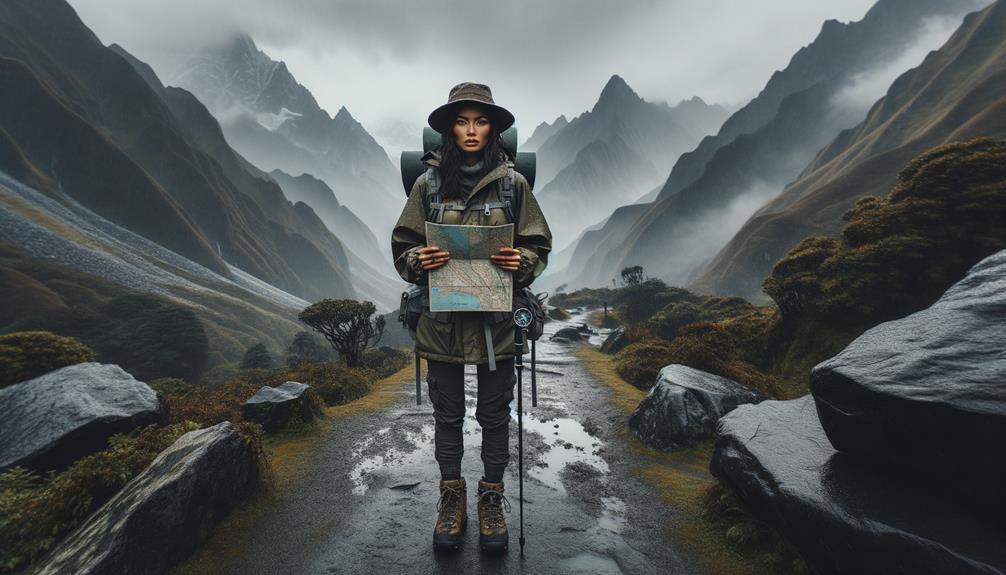
To weather-proof your trip to the Scottish Highlands, it’s essential to pack the right essentials.
Be prepared for unpredictable conditions by bringing layers to adapt to changing weather and waterproof gear to stay dry.
Items like a raincoat, umbrella, sunglasses, and durable boots will ensure you’re well-equipped to embrace Scotland’s dramatic weather and make the most of your unique experience.
Packing Essentials for Weather
Ensure your trip to the Scottish Highlands is weather-proof by packing these essential items:
- A fully waterproof raincoat with a hood: The weather in the Scottish Highlands can be unpredictable, so it’s crucial to have a raincoat that will keep you dry. Look for one with a hood for added protection.
- An umbrella: While a raincoat is essential, it’s also wise to bring an umbrella for mild days when the weather can change quickly. This will provide an extra layer of protection against unexpected showers.
- Sunglasses: Don’t forget to pack sunglasses for sunny days. Although the climate can be cooler in the Highlands, the brightness of the sun can still be intense. Protect your eyes and enjoy the stunning scenery with a pair of sunglasses.
To truly weather-proof your trip, also make sure to pack durable water-resistant boots for exploring the Scottish Highlands. Layering techniques, including t-shirts and a snug jumper, will allow you to adapt to changing temperatures.
With these essentials, you’ll be prepared to enjoy your adventures in any weather.
Preparing for Unpredictable Conditions
To weather-proof your trip to the Scottish Highlands, it’s essential to take necessary precautions for unpredictable conditions. The Highlands are known for unexpected storms and sudden temperature drops, so it’s important to be prepared.
Start by bringing a fully waterproof raincoat with a hood to stay dry in all types of weather. Pack durable water-resistant boots to keep your feet dry and comfortable during outdoor activities.
Layer your clothing, including t-shirts and a snug jumper, to adapt to changing temperatures throughout the day. Consider bringing an umbrella for mild days and sunglasses for unexpected sunny weather.
Embrace Scotland’s unique weather experiences, including dramatic mist, contrasting clouds, and even beautiful rainy days. By being prepared, you can enjoy the freedom of exploring the Highlands without worrying about the weather.
Scottish Highlands Weather and Climate Conclusion
So there you have it, a comprehensive guide to understanding the weather and climate of the Scottish Highlands.
From the unpredictable weather patterns to the unique experiences it offers, Scotland’s climate truly adds to its natural beauty.
Remember to pack your raincoat, umbrella, sunglasses, and durable boots for any outdoor adventures.
Whether you’re visiting for the long summer days or the chance to witness the Northern Lights, Scotland’s weather will surely leave you in awe.
Plan your trip, weather-proof your belongings, and get ready to explore the stunning Scottish Highlands.